


Most “digital nomad” articles throw out a number and call it a day. “$1,500 a month in Bali!” Great. But which neighborhood? Which season? What does that number actually include?
This one is different. Nine cities. Three budget tiers. Real numbers from people who actually live there.
Let’s get into it.
TIER 1: $1,000 to $1,800/month
You can live well. Emphasis on well.

Da Nang, Vietnam
Da Nang is the city people discover after they burn out in Ho Chi Minh City. It’s smaller, cleaner, and right on the beach. You can rent a modern one-bedroom a few blocks from the sand for $350 to $500 a month. Street food runs you a dollar or two a meal, and a sit-down dinner with a beer costs maybe $6. A monthly scooter rental adds another $60 to $80. Budget $1,100 and you’re comfortable. Budget $1,500 and you’re eating at nice restaurants and taking weekend trips. The weather is the catch. There’s a rainy season from October through December that’s legitimately brutal.
Tbilisi, Georgia
Tbilisi flew under the radar for years. It doesn’t anymore. Remote workers figured out that the country offers 360-day visa-free stays for most nationalities, and word spread fast. A furnished one-bedroom in a walkable neighborhood like Vake or Saburtalo runs $500 to $700. Georgian food is excellent and cheap. You’ll spend $200 to $250 on groceries and eating out combined. Add utilities, fast internet (it’s surprisingly good), and transport, and you land around $1,200 to $1,500/month. The wine is world-class and costs almost nothing. That’s not nothing.
Medellin, Colombia
The Medellin story has been told a hundred times, but it’s still true. The city sits at 5,000 feet, which means it’s 75 degrees and sunny almost every single day. Locals call it the “city of eternal spring.” A solid apartment in El Poblado or Laureles runs $500 to $700. A local lunch, full meal, juice, sometimes soup, costs about $3. The metro is fast and cheap. Budget $1,300 to $1,700 and you’re living genuinely well. Spanish helps a lot here. English gets you further than it used to, but don’t count on it.
TIER 2: $1,800 to $3,000/month
More comfort. Better neighborhoods. Fewer compromises.
Buenos Aires, Argentina
Buenos Aires rewards people who actually live there. The architecture is European. The food culture is serious. The social life runs late and runs hard. A furnished apartment in Palermo or Recoleta costs $800 to $1,200 depending on the season and the exchange rate. The exchange rate matters a lot in Argentina right now, so do your homework on how to move money before you arrive. Outside of rent, the city is cheap. Steak dinners for $12. Wine by the bottle for less. Budget $2,000 to $2,400 and you’re comfortable. Budget $2,800 and you’re eating at good restaurants most nights.
Lisbon, Portugal
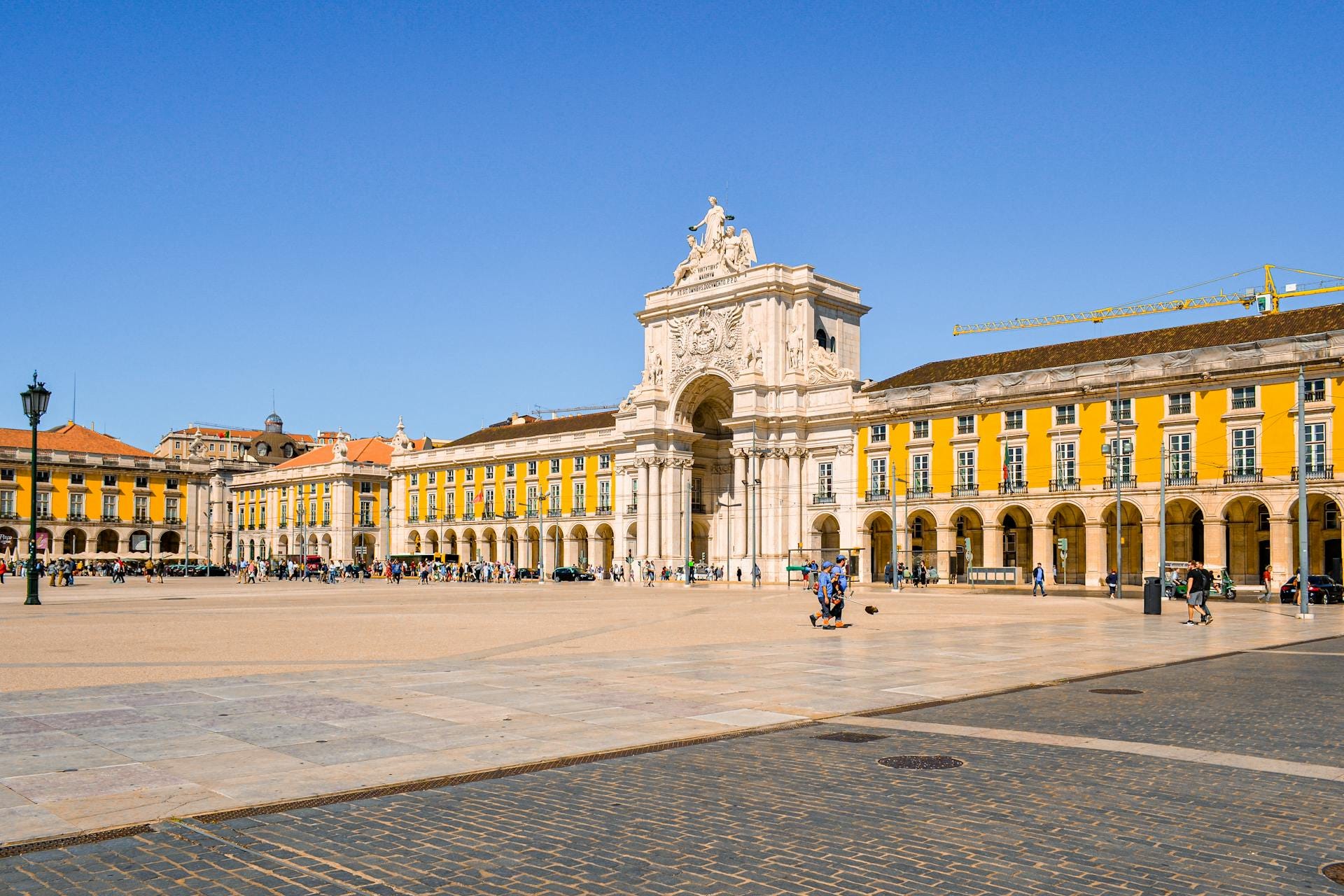
Lisbon used to sit in the Tier 1 category. It doesn’t anymore. The city’s popularity pushed rents up sharply over the last few years. A one-bedroom in a decent central neighborhood now runs $1,200 to $1,600. The trade-off is real, though. Lisbon is genuinely beautiful, the food is great, the people are warm, and you’re a train ride from the rest of Europe. A total monthly budget of $2,200 to $2,800 gets you a comfortable life here. The NHR tax regime is worth looking into if you’re planning to stay more than six months.
Budapest, Hungary
Budapest is the best deal in Central Europe that most people still overlook. The city is stunning. The thermal baths cost $10. A nice one-bedroom in the 5th or 7th district runs $700 to $1,000. Hungarian food is heavy and good, and restaurant meals cost a fraction of what they would in Vienna or Prague. Budget $1,800 to $2,200 and you’re living comfortably in one of Europe’s most interesting cities. Internet is fast. The expat community is real. It’s also a short flight or train ride from Vienna, Krakow, and Belgrade.
TIER 3: $3,000 to $5,000/month
You want quality. These cities deliver.
Barcelona, Spain
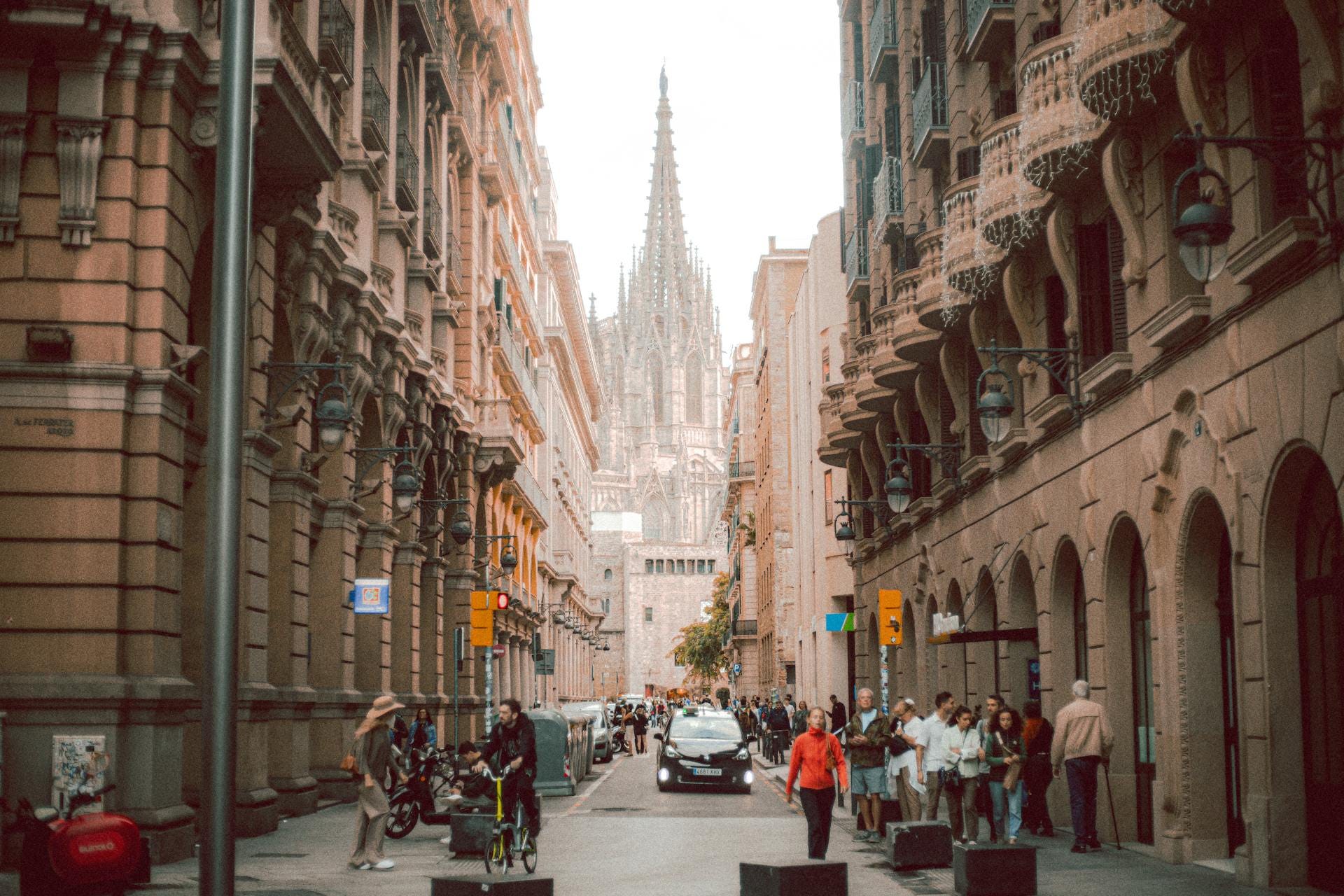
Barcelona is expensive. It’s also one of the best cities in the world to actually live in, which is a different thing from visiting. The beach, the architecture, the food, the nightlife, the weather. It’s hard to argue with. A one-bedroom in Eixample or Gracia runs $1,500 to $2,200. Add groceries, eating out a few nights a week, transport, and entertainment, and you’re looking at $3,200 to $4,000 a month for a real life here. The Digital Nomad Visa has made legal long-term stays much more accessible for non-EU residents.
Tokyo, Japan
Tokyo is more affordable than its reputation suggests. A modern one-bedroom in a safe neighborhood like Shinjuku or Nakameguro runs about $1,200 to $1,800. The transit system is so good you may not need to spend money on anything else to get around. Food costs depend entirely on you. Convenience store meals are $4 to $6 and genuinely good. Restaurant dinners can run $30 to $100. All in, budget $3,000 to $4,000 for a comfortable, full life. The city operates at a different level of quality and organization than almost anywhere else on earth. That’s worth something.
Nice, France
Nice is the Cote d’Azur without the performance of Monaco. The Mediterranean is right there. The old town is exactly what you picture when you think of southern France. A one-bedroom in a decent neighborhood runs $1,500 to $2,000. Add food, transport, and occasional dinners out and you’re at $3,500 to $5,000 depending on how you spend. Access to the rest of Europe is easy. The airport is solid and train connections are some of the best on the continent. France’s bureaucracy is a real challenge for visa situations, so budget time as well as money if you’re planning to stay long-term.
A Few Things Nobody Puts in These Articles
Rent is not your only fixed cost. Health insurance, a VPN, software subscriptions, a coworking space once or twice a week, flights home. These add up. Budget at least $200 to $300 per month as a buffer before you commit to a city.
Currency matters more than people think. In cities like Buenos Aires or Tbilisi, how you move money can change your effective cost of living by 20% or more. Research this before you go, not after.
Seasonality is real. Da Nang in November is a different experience than Da Nang in March. Lisbon in August is packed and overpriced. Tokyo in cherry blossom season is worth every dollar.
Next issue: The lease negotiation guide. What to say, what to never agree to, and how to rent in cities where most landlords have never rented to a foreigner before.
If this was useful, share it with someone who’s thinking about making the move. That’s how this newsletter grows.
Nomad Playbook is a free weekly newsletter. Paid subscribers get the full city guides: neighborhood breakdowns, specific building recommendations, the co-working spots worth paying for, and the local scams to watch out for.