


Two years ago I rented an apartment in Buenos Aires for $715 a month. Now, I’ve booked the same exact apartment for $980/month.
That is a 37% increase on a city that was supposed to be the deal of the decade.
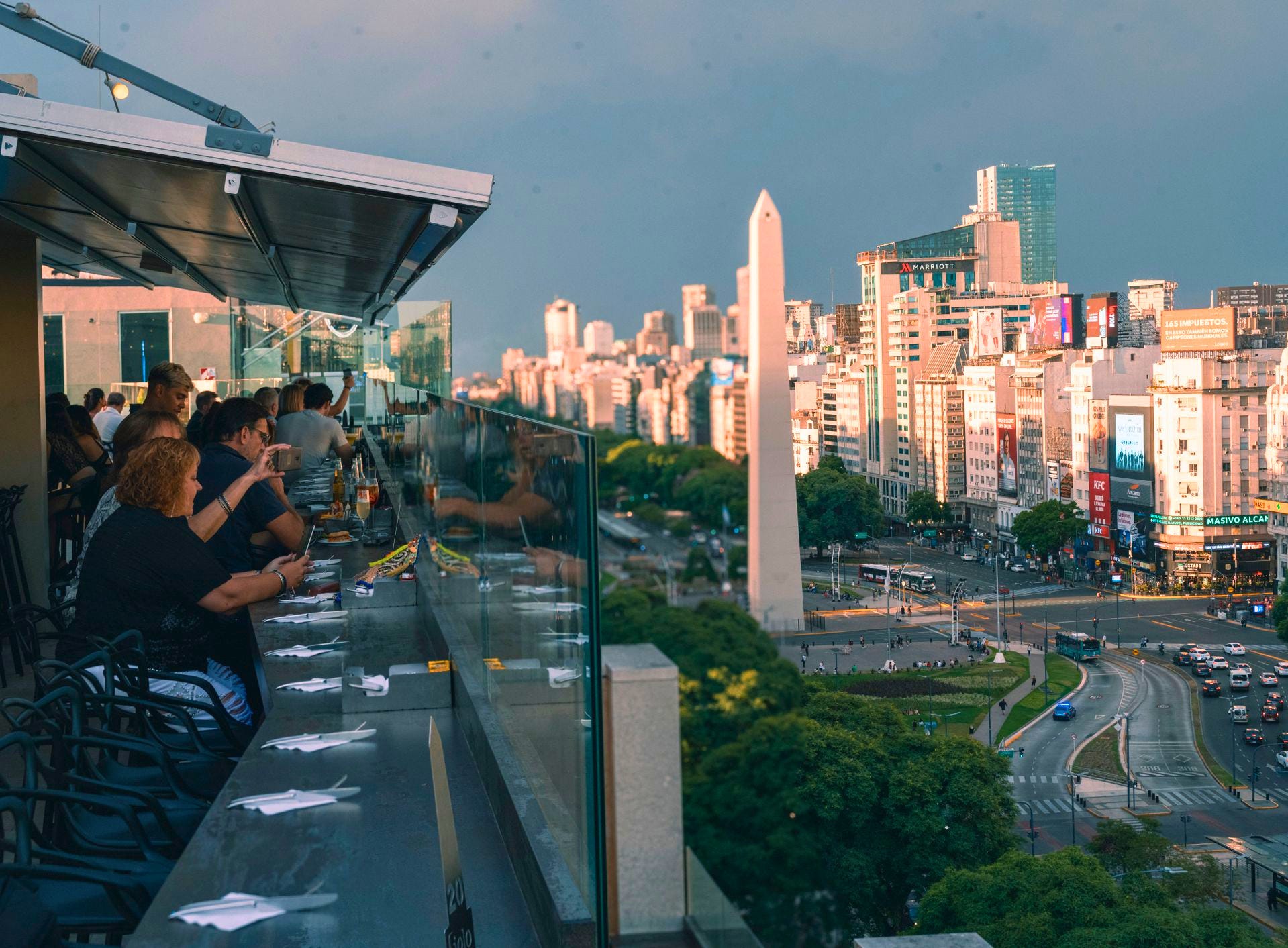
Here is the part that makes it interesting: Argentina’s inflation problem is technically fixed. When I was there the first time, the exchange rate was sitting around 1,100 pesos to the dollar. It is now around 1,450. The peso has weakened, which usually means things get cheaper for foreigners. And monthly price increases, which were running at triple digit annual rates not long ago, have slowed dramatically under Milei’s austerity program. And more notably, that 1,450 is the same as it was 8 months ago in October 2025. A remarkable achievement that does not come without some pain and complication, for both local and tourist.
So by the numbers, things should be more affordable than before. They are not.
Why stopping inflation is not the same as getting cheaper
This is the part that trips most people up. Disinflation, which is what Argentina is experiencing, means prices are still rising. They are just rising more slowly. Nothing is coming back down. The wild monthly price hikes that made Buenos Aires feel unstable have stopped, but they stopped after prices had already ratcheted up to a level that did not exist two years ago.
Think of it like a car that was accelerating at 100mph and is now doing 20mph. It is still moving forward. You are just less aware of it.
The deeper issue is that during the high-inflation years, Argentine prices in dollar terms were artificially suppressed because the peso was collapsing faster than vendors could raise prices in local currency. A restaurant meal or an apartment that should have cost $X internationally was effectively $X minus the currency decay buffer. That buffer is gone. Prices have caught up to, and in some cases exceeded, what you would pay in comparable cities elsewhere.
Add to that the cost of Milei’s structural reforms: utility subsidies removed, import costs rising, the general economic pain of austerity flowing through to everyday prices. Locals are getting squeezed on wages that have not kept up. For nomads coming in with dollars, the price is just higher than it used to be and no longer embarrassing to anyone.
What this actually means if you are thinking about Buenos Aires
It is still a good city. The food, the neighborhoods, the energy, the coffee, none of that has changed. But the calculation has. You are no longer landing somewhere that makes you feel like your money is broken in a good way. You are landing somewhere that is priced more like a mid-tier European city, with Latin American infrastructure and the occasional bureaucratic headache on top.
$980 for a decent apartment in Palermo is not a bad deal in absolute terms. But it is not the $500 deal people were telling their friends about three years ago either. That window closed quietly while everyone was still recommending Argentina as the ultimate nomad arbitrage play.
The broader lesson is one that comes up with every city that gets discovered: the information cycle on cheap destinations has a shelf life, and by the time a place is on every nomad list, the pricing that made it interesting is usually already half gone. Buenos Aires just did it faster and more visibly than most because the economics were so extreme on the way up.
well done Ryan