


There is no shortage of “best cities for nomads” lists on the internet. Most of them were written by someone who spent two weeks somewhere and filed a report.
This is not that list.
These ten cities were chosen for one specific reason. They work for people who are making the move for the first time. Not just because they are cheap or beautiful or have fast internet. Because they give you a real shot at building a life, making friends, and figuring out whether this is actually for you.
The order is deliberate. We have mixed regions throughout so you can compare options across different parts of the world as you read.
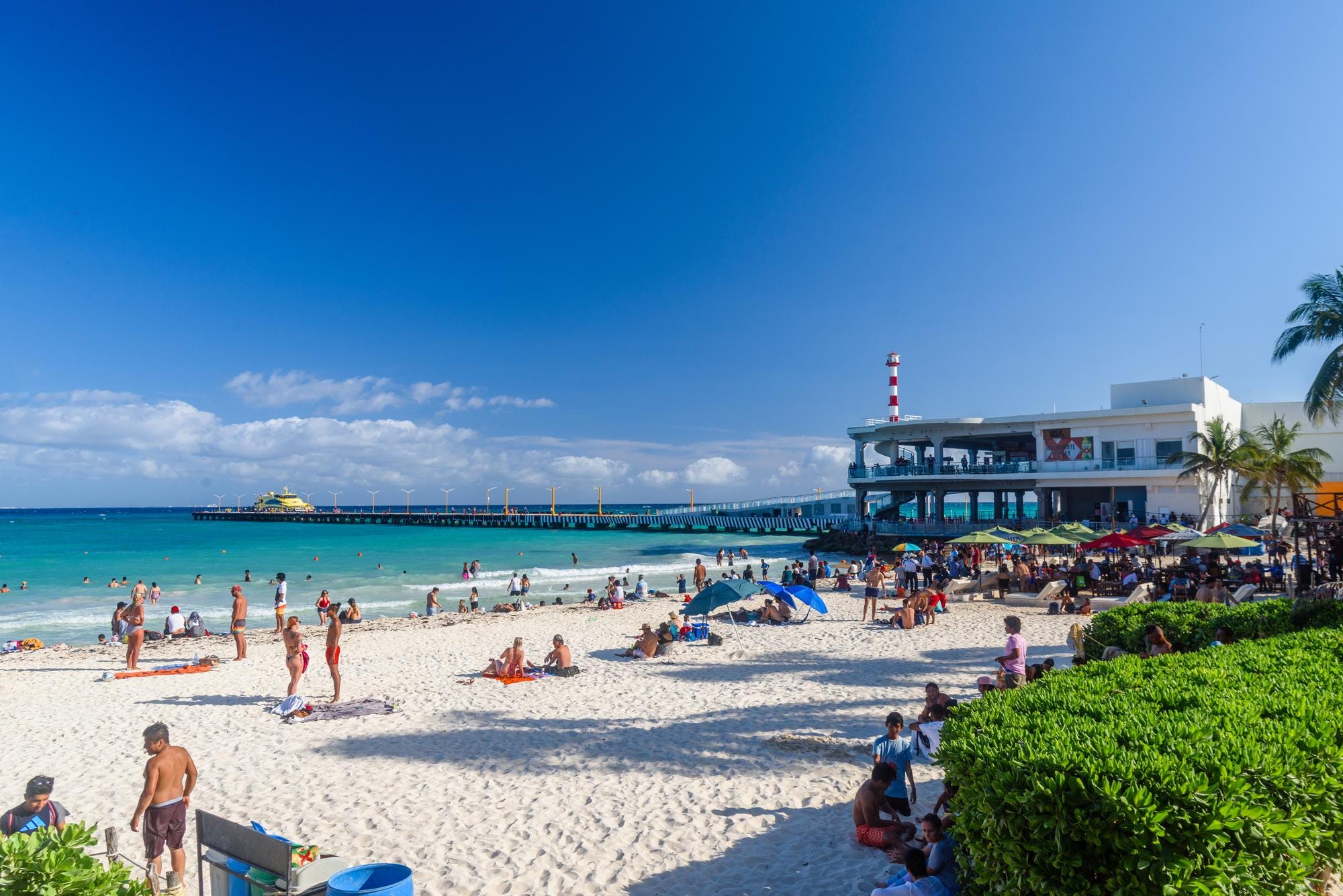
1. Playa del Carmen, Mexico
Start here if you have never done this before and you want the highest possible chance of a good first experience.
Playa del Carmen is the most beginner-friendly city on this list, full stop. English gets you everywhere. The nomad and expat infrastructure is fully built out. There are coworking spaces, social events, and communities specifically designed for people who just arrived and don’t know anyone yet.
The beach is right there. The food is excellent. Getting in and out is easy with Cancun airport 1 hour away.
The honest caveat is that the tourism can become exhausting after a while. The Fifth Avenue strip is loud, crowded, and relentless. But for a first move abroad, that same energy works in your favor. There is always something happening and always someone to meet. Build your confidence here and use it as a launchpad.
2. Buenos Aires, Argentina
One of the great cities of the world to actually live in. But go in with accurate expectations.
Whatever a Google search tells you about English being widely spoken, adjust your expectations downward when you arrive. Buenos Aires is a Spanish-speaking city and proud of it. That is not a problem. It is just reality.
The smart approach for the first month is to not fight it. Find the English-speaking bars and cafes, go to the expat meetups, build your social base with people you can actually communicate with. Then, once you have a group around you, branch out together. Try the neighborhood spots that only locals know. Navigate the menu you cannot fully read. Take the bus somewhere without being sure where it goes.
Every one of those experiences becomes an adventure with people alongside you. Alone in week two, it just feels like being lost.
The food culture here is serious. The nightlife runs late and means it. The exchange rate rewards people who know how to move money correctly. Do your research before you arrive on that last point.
3. Chiang Mai, Thailand
Chiang Mai is a classic for a reason.
Unlike Bali, which has become genuinely overrun in certain areas, Chiang Mai has managed to absorb a large nomad population without losing what made it appealing in the first place. The city is manageable, the infrastructure is excellent, and the cost of living is hard to beat anywhere in the world at this level of quality.
A comfortable one-bedroom runs $400 to $600. Street food costs almost nothing. Coworking spaces are everywhere and genuinely good. The community of remote workers here is one of the most established on earth, which means finding your people is not hard.
The weather is the variable. March through May is hot. November through February is the sweet spot. Plan accordingly.
4. Tbilisi, Georgia
Still a hidden gem, though that window is closing.
The pitch for Tbilisi is simple. European-standard infrastructure at Southeast Asian prices. A one-bedroom in a good neighborhood runs $500 to $700. The internet is fast. The city is walkable, safe, and genuinely beautiful in a way that most people don’t expect before they arrive.
The visa situation is one of the best in the world. Most nationalities can stay for 365 days without applying for anything. You land, you stay, you work.
It is getting more popular and prices are slowly rising, but it still represents exceptional value compared to anywhere in Western or Central Europe. Go before it becomes the next Lisbon.
5. Da Nang, Vietnam
Here is a piece of advice you will not find in most guides.
If you speak English, go to Da Nang. If you are Russian, go to Nha Trang. Both are affordable beach cities with solid infrastructure. But if community and making friends early on is a priority, and it should be, Da Nang is where the English-speaking nomad scene is concentrated.
The city sits between Hoi An and Hue, right on the beach, with a modern apartment scene that is significantly more developed than people expect. Rent runs $350 to $500 for a clean, modern one-bedroom near the water. The food is outstanding. The pace is slower than Ho Chi Minh City without feeling like you are completely off the grid.
The rainy season from October through December is genuinely unpleasant. Time your arrival for spring or summer.
6. Medellin, Colombia
For the person who wants great weather but in a city environment rather than a beach one.
Medellin sits at 5,000 feet, which gives it a climate that stays between 65 and 80 degrees almost every day of the year. Locals call it the city of eternal spring and the description is accurate. But unlike Da Nang or Playa del Carmen, Medellin feels like a real metropolitan city. Restaurants, nightlife, architecture, culture. It has the infrastructure of a serious city with the cost of living of a developing one.
El Poblado is the obvious neighborhood for new arrivals. Laureles is where people often end up once they get their bearings and want something slightly more local and slightly less touristy.
Budget $1,300 to $1,700 a month for a genuinely comfortable life.
7. Tallinn, Estonia
The low-key tech hub of Northern Europe.
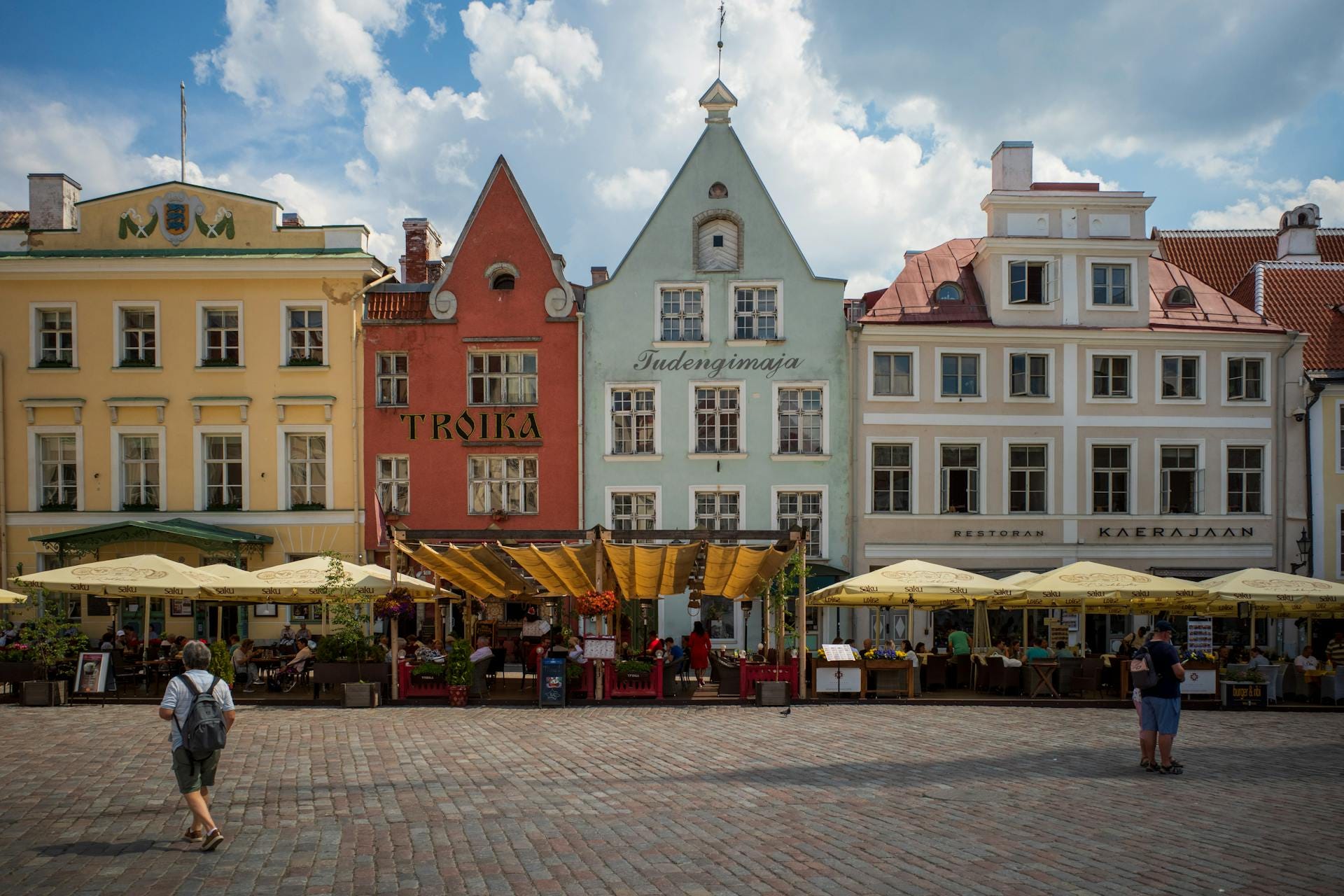
Tallinn punches above its weight on almost every metric that matters for remote workers. Fast internet, strong digital infrastructure, a city built around technology and innovation, and a medieval old town that looks like it was designed by a film set director.
The honest trade-off is cost. Tallinn is getting more expensive, particularly in the summer months when tourism peaks and short-term rental prices spike. If you are going, aim for the shoulder seasons or commit to a longer-term lease which brings the cost down significantly.
Estonia also offers the E-Residency program and a Digital Nomad Visa for non-EU residents, making it one of the most legally straightforward places in Europe for remote workers to operate from long-term.
8. Porto, Portugal
Everything Lisbon offers at about 20 percent less cost.
Porto is smaller and more manageable than the capital, which for a lot of people is exactly the point. The city sits on the Douro River, the tile-covered buildings are genuinely beautiful, and the food and wine culture, this is the home of Port wine, is excellent.
The nomad community here is growing steadily without having hit the saturation point that Lisbon reached a few years ago. Coworking spaces are solid. Internet is reliable. The airport connects you to the rest of Europe easily.
For people who want the Portugal experience without the Lisbon price tag or the Lisbon crowds, Porto is the answer.
9. Plovdiv, Bulgaria
Pleasant, safe, and cheap. Three words that cover a lot of ground.
Plovdiv is Europe’s oldest city, though you would not necessarily know it from how little attention it gets in nomad circles. That is precisely what makes it interesting. A one-bedroom in a good neighborhood runs $400 to $600. The old town is genuinely stunning. The cost of eating out is among the lowest in Europe.
It is not the place for someone who needs a buzzing social scene or world-class nightlife. It is the place for someone who wants to put their head down, work well, live comfortably, and explore one of the most underrated cities on the continent at a pace that actually allows for exploration.
Sofia is two hours away for when you want the capital city energy.
10. Punta del Este, Uruguay
This one does not check all the usual nomad boxes. That is the point.
Punta del Este is more expensive than most cities on this list. The nomad community is not particularly developed. It is not the place to show up alone in week one and expect a ready-made social infrastructure waiting for you.
What it offers instead is something harder to quantify. The beaches are genuinely world-class. The lifestyle is relaxed in a way that feels earned rather than manufactured. Think of it less as a base and more as an escape. If you are starting your nomad journey in Buenos Aires or Montevideo, Punta del Este is worth a week or two as a reset. Close enough to get to easily, different enough to feel like a genuine break.
For the right person, someone who already has a community to travel with or who has done this long enough to not need hand-holding, it is one of the most beautiful stretches of coastline in South America. Just go in with the right expectations.
A Note on All of These
Every city on this list has one thing in common beyond cost and infrastructure.
They all have enough of a community that you are not starting from zero. The first month abroad is hard for almost everyone. Having people around who are doing the same thing, who just figured out the grocery situation, who know which coworking space is worth the membership, makes the difference between staying and going home in week three.
Pick a city. Give it ninety days. The version of you at the end of that stretch will have a completely different answer to the question of whether this is for you.